← Back to details
S1 · E192
42: The Answer to Almost Everything
What if life were mirrored?
2021 · 30m · ★ 0.0
Overview
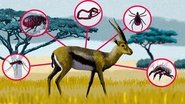
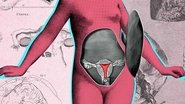
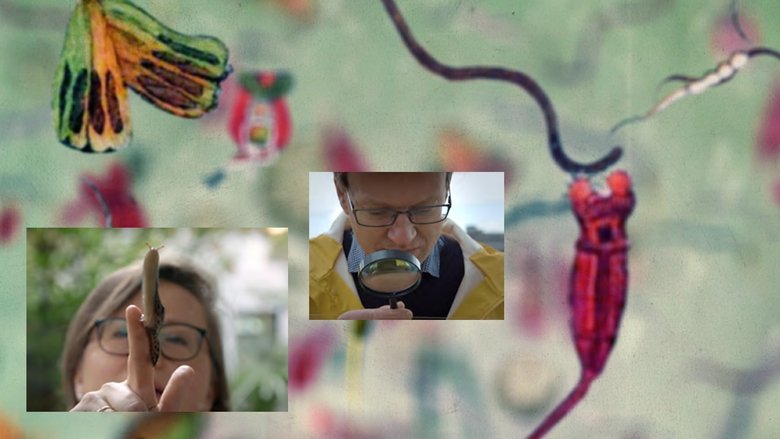
Imagine for a moment that everything was reversed. It may sound mind-boggling, but it is not entirely absurd. Many of the molecules that make up life on Earth have a symmetrical counterpart—a mirror-image twin known as an enantiomer. These mirror molecules represent a promising avenue for the discovery of new and potentially more effective medicines. But what if we could go even further? What if it were possible not only to mirror individual vital molecules, but entire living organisms—bacteria, for example? What would happen if we managed to reverse life itself? And what would our world look like then?
View full details → E1
E11. Can we dig our way through the Earth?
2021 · 27m · ★ 8.0
This report explores the challenges and insights gained from deep drilling into the Earth. Researchers from Germany, France, and Italy emphasize the technical complexity and costs of these undertakings. The drill cores, made of rock or ice, serve as archives of Earth's history and enable the study of phenomena such as climate change.
 E2
E22. Could We Live on the Moon?
2021 · 24m · ★ 7.0
A new lunar cycle begins with 95 planned missions over the next ten years, including contributions from smaller nations. Scientists want to know how humans can carve out a life on the moon. Could humans live there permanently? And who does the moon belong to? Salem Al Marri of the United Arab Emirates Space Agency explains the motivations and goals of this intensified lunar exploration.
 E3
E3